


Meeting our protein needs can sometimes feel like a full-time job, especially when trying to eat healthily on a budget and still craving something delicious. But with these cheap protein sources, who says you can't have it all?
Whether you're a busy student, a budget-conscious family or just someone looking to improve your meal prep, affordable protein sources are essential. We'll explore a variety of cheap, healthy, and great-tasting protein options. From legumes to lean meats and inventive dairy products, these choices will add flavor to your meals without costing much.
Have a question about this article? Ask AI!
Protein doesn't have to be fancy or expensive to be satisfying. In fact, many of the best-tasting and most versatile protein sources are simple ingredients you probably already use in everyday meals. By mixing and matching these options, you can create filling breakfasts, quick lunches, and hearty dinners that keep both your body and your budget happy.
Jump to:
Eggs
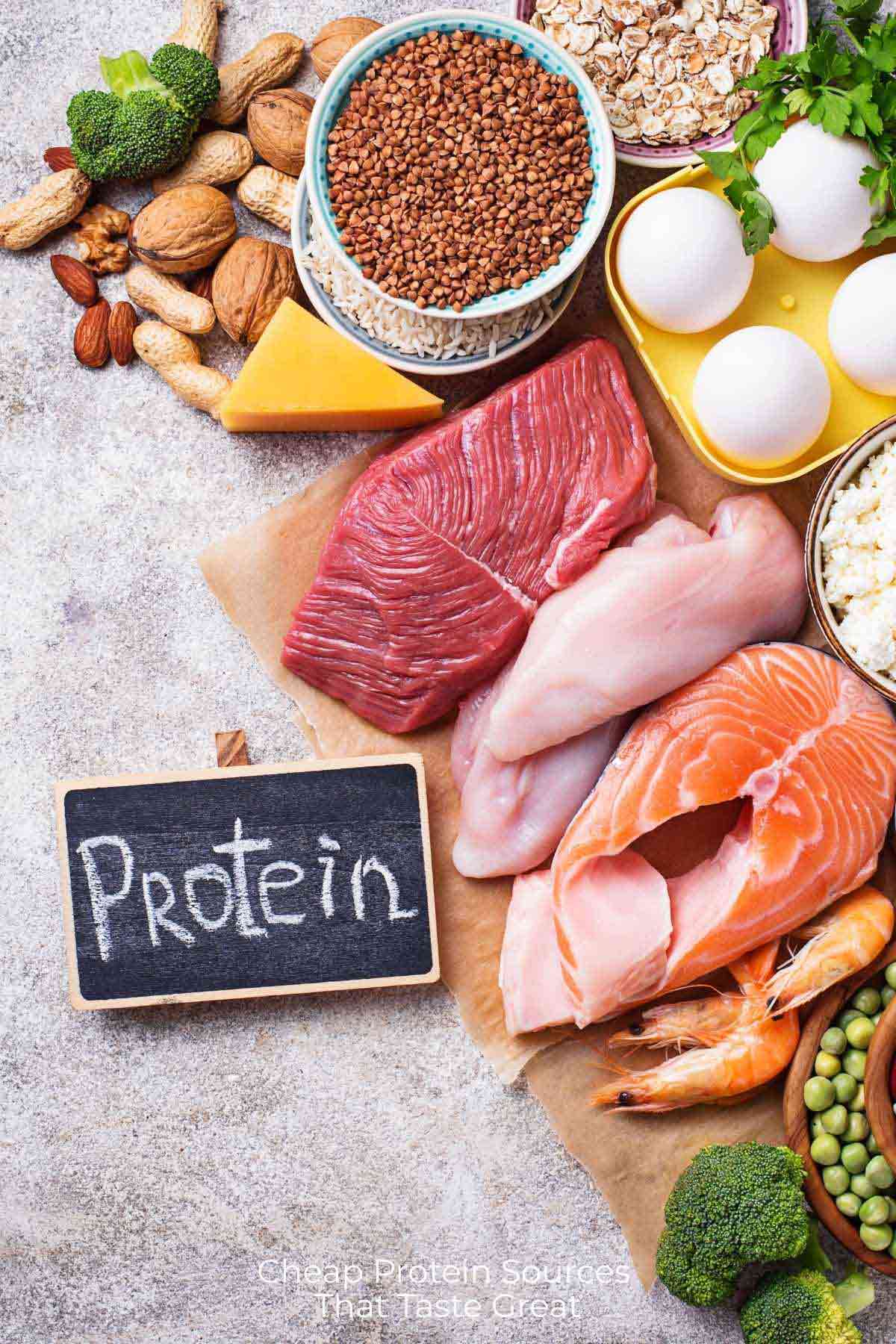
Eggs are healthy and cheap protein sources. They are packed with essential vitamins and minerals, such as vitamin D and choline, which support bone health, immune function, and brain development. Their versatility makes them a staple in meals throughout the day.
You can scramble them for a quick breakfast, boil them for a protein-packed snack, poach them for a delicate addition to salads, or bake them in quiches and frittatas. Frying eggs, whether sunny-side up or over-easy, makes a great addition to breakfast dishes. You can also incorporate eggs into casseroles, muffins, and stir-fries for added protein and flavor. "Egg whites can be easily added to daily eggs, oatmeal, or baked goods and are more protein-dense than eggs themselves," shares Shelby from Fit As A Mama Bear.
Dairy products
Dairy products like cottage cheese, Greek yogurt, and various types of cheese are affordable sources of protein and calcium. Cottage cheese is rich in protein, making it a smart choice for a nutrient boost. Greek yogurt is known for its protein density and is a healthy pick. A typical serving can pack up to 15-20 grams of protein, making it a fantastic option for those looking to increase their intake. It's often lower in sugar compared to regular yogurt and offers beneficial probiotics for gut health.
Cheeses like mozzarella, cheddar, panela, and ricotta add a range of flavors to your diet without breaking the bank. These cheeses can be used in a variety of dishes, from sandwiches and salads to casseroles and pasta. For a quick and nutritious snack, pair cottage cheese with fresh fruit or add Greek yogurt to your morning smoothie for an extra protein kick.
Whole grains
Whole grains are budget-friendly and packed with nutrition. They offer fiber and protein to keep you full longer. Quinoa is a standout choice because it provides all essential amino acids and is completely gluten-free. Its mild, slightly nutty flavor blends well with many dishes, from salads to stews. It cooks quickly, usually in about 15 minutes, and its versatility makes it a staple in many kitchens. Or set it and forget it with this super-easy Slow Cooker Quinoa recipe!
Oats support heart health with soluble fiber that helps manage cholesterol and delivers steady energy. Despite its name, buckwheat is gluten-free and rich in protein, fiber, and antioxidants.
Barley adds a chewy texture and nutty flavor to dishes, along with beta-glucan for heart health. Brown rice, higher in fiber and protein than white rice, provides lasting energy throughout the day. Bulgur wheat is nutrient-dense and quick to prepare, making it perfect for meals like tabbouleh and pilafs. Additionally, incorporating whole grains into your diet can help with weight management and improve digestive health.
Legumes
Kristin's Kitchen Tip
Keep dried beans and lentils soft for quick use by batch-cooking them and storing them in your freezer. Cook a large quantity, divide them into 1.5-cup portions (which equals about one can), and freeze them in sealed bags or containers. This saves money compared to buying canned versions and significantly cuts down on meal prep time later!
Legumes are a nutritious and versatile choice, offering plant-based protein that's also rich in fiber, vitamins, and minerals. They're economical, making them a smart addition to any diet. Beans are a dietary staple around the world, known for their protein and fiber content, versatility, and long shelf life.
Lentils are incredibly affordable and don't require soaking, making them super convenient. They come in various colors, like green, brown, and red. Each type has unique flavors and cooking times. They are packed with protein, fiber, and essential vitamins like folate and iron. Split peas are great for soups and are a mainstay in Indian cuisine, adding texture and flavor to dishes like dal.
Chickpeas are packed with protein and are used in various culinary traditions. "Chickpeas are an extremely versatile and cheap protein source, especially when you buy them dry and in bulk," explains Shruthi Baskaran-Makanju of Urban Farmie. "You can find chickpeas in every cuisine and make anything from falafels to curries, or even roast them and use them in place of croutons on a salad." Aquafaba, the liquid from canned chickpeas, can be used as a vegan egg substitute in baking. Moreover, legumes are excellent for heart health due to their high fiber content, which helps lower cholesterol levels.
Nuts and seeds
Nuts and seeds are cheap protein sources that are nutrient-dense and provide a convenient source of essential nutrients that can enhance various dishes. Peanuts and almond butter are high in protein and healthy fats and are great for spreading or adding in smoothies.
Chia and flaxseeds, rich in omega-3s, can be used in baking or as toppings. Pumpkin seeds, loaded with protein, magnesium, and zinc, are perfect roasted for salads or snacks. Their nutrients also play a crucial role in immune function, muscle health, and energy production.
Nut and seed milk, like almond and flaxseed, are lactose-free and great as dairy substitutes in smoothies or cereals. Seed flours can replace grain flours in baking and thicken soups and sauces, though recipes may need liquid adjustments. Incorporating a variety of nuts and seeds into your diet can also provide essential vitamins and minerals that support overall health and well-being.

Poultry and lean meats
Poultry and lean meats are great protein choices that won't break the bank. Chicken thighs are juicy and versatile, perfect for grilling, baking, or adding to stews. Ground chicken is a lean option for burgers, tacos, and meatloaf.
Turkey is another great choice. Ground turkey is a low-fat alternative to beef-based burgers and meatballs. Turkey drumsticks have a richer flavor, making them great for slow cooking or roasting. My family's favorite is this delicious Slow Cooker Turkey Legs recipe, which includes a flavorful homemade sauce!
Beef, particularly cuts like chuck, is both flavorful and affordable. When cooked slowly, it's perfect for pot roasts or stews. Ground beef is versatile and suitable for burgers, meatloaf, and tacos.
Pork options like pork loin are mild and perfect for roasting or chops. On the other hand, ground pork is richer and excellent for sausages, meatballs, and dumplings, adding extra flavor to stir-fries. Incorporating a variety of poultry and lean meats into your diet can help ensure you get a wide range of nutrients and flavors in your meals.
Frozen and canned foods
Frozen fish is a wallet-friendly source of high-quality protein you can bake or grill once thawed. Canned tuna and sardines are affordable and loaded with protein and omega-3 fatty acids, making them great for salads, toasts, or pasta dishes like a classic tuna noodle casserole.
Canned chicken is versatile - just look for cans without preservatives. It's great in salads, casseroles, or mixed with cauliflower rice. Frozen and canned foods can be a lifesaver for busy individuals, providing quick and convenient protein options without compromising nutrition.
Don't overlook canned seafood! Canned tuna and sardines are incredibly affordable, packed with high-quality protein, and loaded with essential omega-3 fatty acids, making them one of the best budget protein choices for salads, sandwiches, or quick pasta dishes.
Soy products
Soy products are high-protein, budget-friendly choices that can easily replace meat and dairy in many recipes. Tofu, known for its ability to soak up flavors, is incredibly versatile - pan-fry, bake, or scramble it.
Tempeh, made from fermented soybeans, brings a nutty taste and firm texture. It's great pan-fried, tossed into stir-fries, or stuffed into sandwiches. Soy milk is full of protein and other nutrients, and it works well in smoothies, on cereal, or as a dairy substitute in baking. Edamame, fresh soybeans, are perfect when steamed, eaten as a snack, or added to salads and bowls. Incorporating soy products into your diet can also provide a good source of plant-based protein, which is beneficial for vegetarians and vegans.
Protein powders
Whey protein is a top choice for muscle recovery after a workout. It gets into your system quickly, so it's great to have right after exercise. Soy protein is a solid pick for vegetarians and vegans because it's a complete plant-based protein. It's good for your heart and muscle growth.
Pea protein is a great option for those with food allergies or sensitivities, as it's easy on the stomach. You can add protein powder to your baking mix to pump up the protein in pancakes or cookies. Mix it into your morning oatmeal or yogurt for a strong start to your day.
For snacks, protein powder is perfect for making energy bites or bars. Blending it into your coffee or smoothies can also keep you full for longer. Protein powders offer a convenient and versatile way to ensure you're meeting your daily protein needs, especially for those with busy lifestyles.
Seafood
Seafood is often overlooked as a budget-friendly protein source, but there are many affordable options that are both nutritious and delicious. Canned salmon is an excellent source of protein and omega-3 fatty acids, which are essential for heart health. It's versatile and can be used in salads or sandwiches, or even made into salmon patties.
Tilapia and pollock are other budget-friendly fish options that are mild in flavor and can be baked, grilled, or pan-fried. These fish are low in fat and high in protein, making them a healthy addition to your meal rotation.
Plant-Based Alternatives
In addition to soy products, there are other plant-based protein alternatives that are both affordable and nutritious. Seitan, made from wheat gluten, is a high-protein meat substitute that has a texture similar to meat, making it a great option for vegetarians and vegans. It can be used in stir-fries and sandwiches, and even grilled.
Jackfruit is another plant-based option that, while not high in protein, has a texture similar to pulled pork and can be used in various savory dishes. It's a versatile fruit that can be seasoned to mimic the flavors of meat.
Spirulina, a type of blue-green algae, is a superfood that is incredibly rich in protein and other essential nutrients. It can be added to smoothies or juices, or even sprinkled on salads for an extra nutrient boost.
Incorporating a variety of plant-based alternatives into your diet not only provides a diverse range of nutrients but also adds exciting new flavors and textures to your meals.
Final thoughts
Adding different proteins to your meals doesn't have to be expensive or complicated. We've explored a variety of cheap protein sources and healthy options that fit any budget. Why not try some of these ideas in your own kitchen? It's all about making your meals delicious, nutritious, and budget-friendly. By incorporating a mix of animal-based, plant-based, and alternative protein sources, you can ensure a balanced and varied diet that meets all your nutritional needs without straining your wallet.
Disclaimer: These statements have not been evaluated by the Food and Drug Administration. The contents of this article, made available via Food Drink Life, are for informational purposes only and do not constitute medical advice. The Content presented here is not intended to be a substitute for professional medical advice, diagnosis, or treatment. Always seek the advice of a qualified healthcare provider with any questions you may have regarding a medical condition or dietary changes. Reliance on any information provided by this article is solely at your own risk.
This article originally appeared on Food Drink Life.
Thanks so much for reading! I also invite you to follow me on FACEBOOK, PINTEREST, or INSTAGRAM to keep up with what's going on in my kitchen.
And you might want to check out my Dizzy Busy and Hungry store on Amazon for a whole bunch of great kitchen products I love!
Happy saving!



Comments
No Comments