


Cooking beans from scratch sounds like the kind of project only patient grandmas bother with, but it's way easier than it looks. Once you get the hang of it, you'll never settle for bland canned beans again. All it takes is a little know-how, and you'll end up with beans that taste richer and feel fresher every single time.
Have a question about this article? Ask AI!
Once you understand the basics, learning how to cook beans becomes a simple, repeatable process you can rely on any night of the week. With just a few pantry staples and a little simmering time, you'll have a versatile batch of beans ready for soups, salads, bowls, and easy weeknight meals.
Jump to:
Benefits of starting with dried beans
Canned beans are convenient, but dried beans give you more control over what ends up in your bowl. You can season them as they cook, decide how soft or firm you want them, and skip all the extra sodium that sneaks into the canned stuff. Dried beans are also cheaper, especially if you work with them often or cook in big batches. Plus, dried beans open the door to varieties you'll likely never see in a can, from heirloom types to local farm finds. Once you try beans cooked from scratch, it's tough to go back.
Choosing and storing beans
Not all beans are created equal, and the age of the bag you buy can change everything about how they cook. Older beans take forever to soften and sometimes never do, no matter how long you simmer them. For fresher beans, look for stores that have a lot of turnover or check out bulk bins and farmer's markets. Once you bring them home, keep them in a sealed container in a cool, dry spot so they stay fresh as long as possible. Even long-shelf life foods need to be stored properly!
The soak debate
Soaking beans has been part of the process for generations because it makes a real difference in the final dish. An overnight soak cuts down cooking time and helps break down some of the complex sugars that can cause bloating or gas. If you forget or don't have the time, the quick-soak method also works by bringing beans to a boil, letting them sit for an hour, then cooking as usual.
Some people skip soaking altogether and still get good results, but it usually means standing over the stove longer or increasing the cook time on your Instant Pot. However you choose to do it, soaking is a simple step that pays off once it's time to cook.
Cooking basics
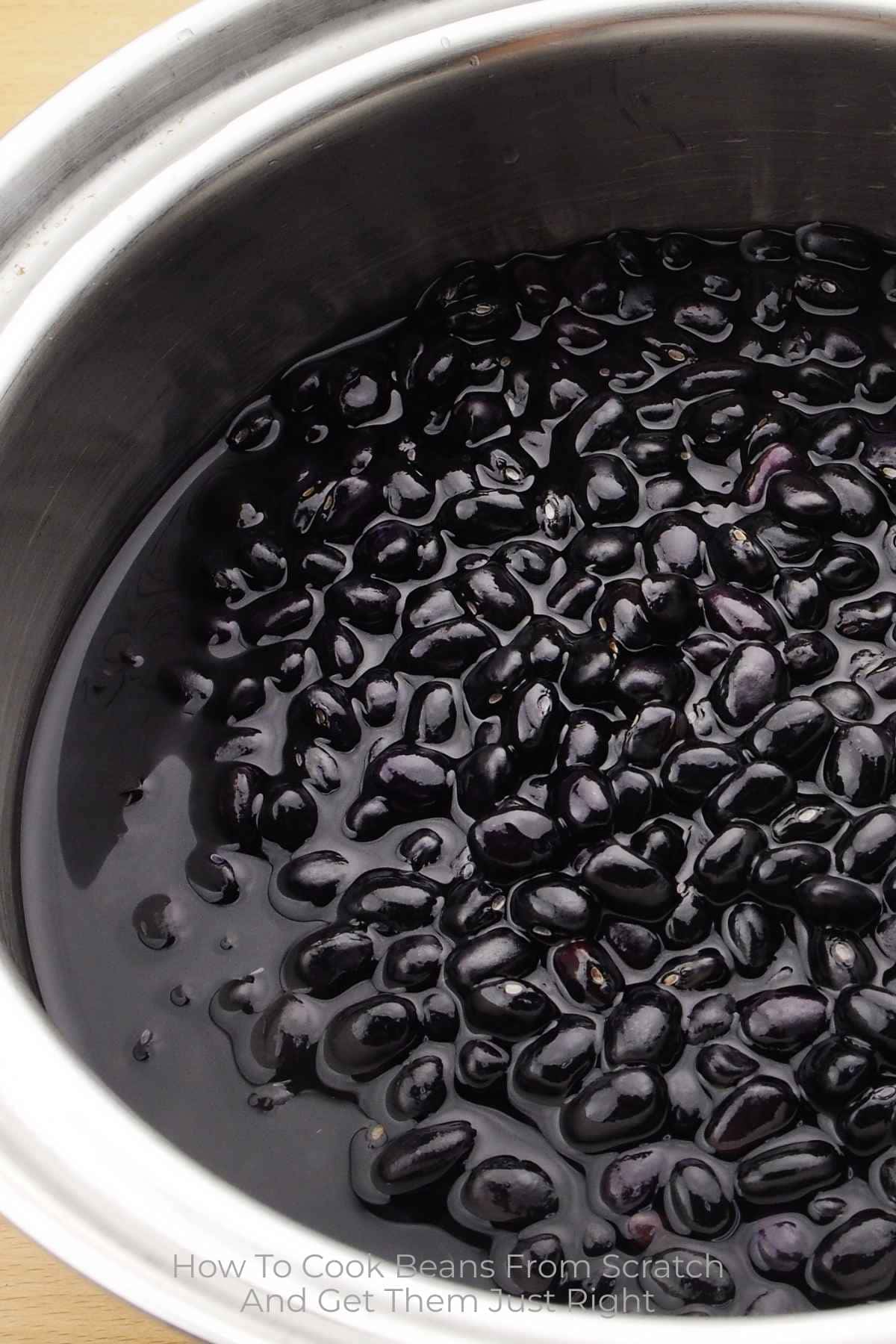
Start by rinsing your beans under cold water and picking out any small stones or broken pieces that slipped through. Add the beans to a large pot and cover with plenty of water since beans soak up more than you think. Toss in aromatics like onion, garlic, or herbs if you want extra flavor built right into the pot. Bring everything to a boil, then lower to a gentle simmer and keep it there because boiling too hard can split the skins and make the insides mushy.
Cooking time depends on the type of bean, but expect it to take anywhere from 45 minutes to two hours. To check for doneness, pull out a bean, let it cool slightly, and bite into it. It should be tender but not falling apart.
Cooking beans at too high a heat can cause the skins to split and the insides to turn mush. A gentle simmer gives you the best texture.
Seasoning beans correctly
Salt has a significant impact on how beans cook, and timing matters. If you add it too early, the skins can toughen. Waiting to salt the beans until they are nearly done cooking allows the seasoning to sink in without messing up the texture.
For a deeper flavor, drop in bay leaves, garlic cloves, or fresh herbs while the beans simmer. Some people like adding kombu, a type of seaweed, which boosts flavor and may aid digestion. Hold off on adding any acidic ingredients like tomatoes or vinegar until the beans are finished, since acid can keep them from softening.
Troubleshooting common issues
Sometimes beans don't turn out the way you planned, but most problems have simple fixes. If your beans never seem to soften, they might just be old or you may be dealing with hard water. Try adding a pinch of baking soda to help them along. If they've gone mushy, it usually means the heat is too high or they have cooked too long, so keep the simmer gentle and check them often.
Unevenly cooked beans can happen when you forget to stir or don't use enough water. Once they're cooked, store beans in their cooking liquid in the fridge for up to a week or freeze them in portions so you always have some ready.
Kristin's Kitchen Tip
To boost the flavor of your beans without extra salt, add a leftover parmesan rind, a strip of citrus peel, or a small piece of kombu to the pot while simmering. Each of these adds depth without overpowering the beans.
Creative ways to use cooked beans
A pot of beans opens up more options than just soup or chili. Toss them into salads or grain bowls for quick protein, mash them into spreads for sandwiches, or use them to bulk up tacos and burritos.
They also work great in veggie burgers or blended into dips such as this easy black bean veggie dip that beats anything you'll find in a store. Having cooked beans on hand makes weeknight meals faster and gives you a base that can go in dozens of directions without much effort.
You can even use them in desserts, like this recipe for fudgy black bean brownies.

Your new bean routine starts here
Canned beans are convenient, and no one's denying that. Cooking dried beans takes more planning, yet the payoff is richer flavor, better bite, and the freedom to season them exactly how you want. Once you get comfortable with the process, it becomes a habit that makes everyday meals taste better, especially when you start building easy budget bean meals into your weekly rotation.
This article originally appeared on Food Drink Life.
Thanks so much for reading! I also invite you to follow me on FACEBOOK, PINTEREST, or INSTAGRAM to keep up with what's going on in my kitchen.
And you might want to check out my Dizzy Busy and Hungry store on Amazon for a whole bunch of great kitchen products I love!
Happy saving!




Comments
No Comments