

Grocery shopping can feel like a constant battle between convenience and cost-effectiveness. The rapid inflation of the last few years has only made things worse, but you are likely making mistakes at the grocery store that cost you money each time you shop.

Have a question about this article? Ask AI!
There are times when it makes sense to spend more money on an item either because it's a splurge you choose, because it truly is higher quality, or because the cost of the convenience outweighs the benefit of the lower-priced item. More often than not, your grocery bill is higher not because of these reasons but because you didn't know about these money-saving tips.
Will these suggestions keep your grocery budget in check? They aren't the silver bullet, but they are sure to reduce your budget. Even a 5 to 10 percent decrease makes a huge difference.
Jump to:
- Be sure to shop in the ethnic aisles
- Always check the price per unit
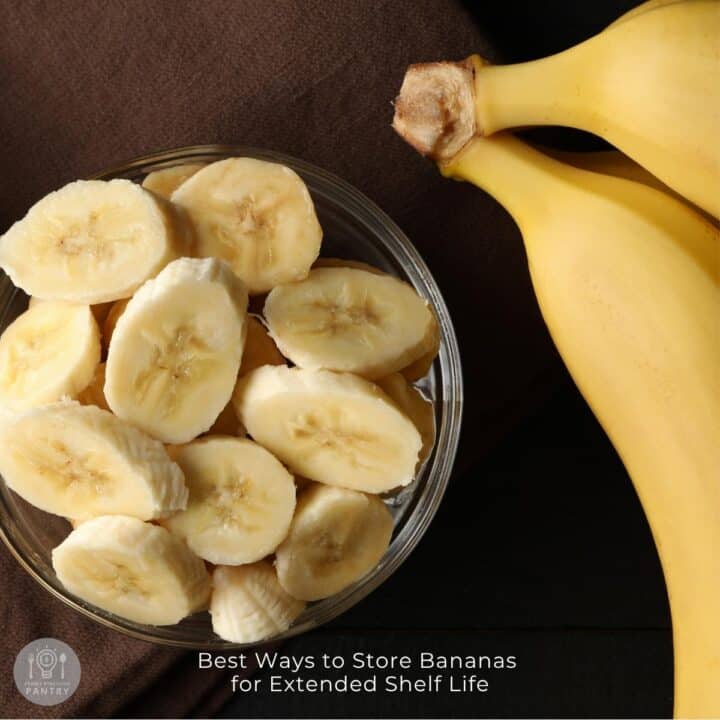
- Did you know you don't have to buy the entire bunch of bananas?
- Don't feel bad about taking advantage of rain checks
- Shop in the freezer aisle, especially out of season
- Manager's specials can be a great money-saver
- Always check the use-by date
- Beware the cost of convenience foods
- Never shop on an empty stomach
- Use all the cash back apps available to you
- Most importantly, be aware and make conscious choices as you shop
- 💬 Reviews and Comments
Be sure to shop in the ethnic aisles
Many people overlook the ethnic aisles, assuming they only cater to specific cuisines. However, these sections can be a goldmine for budget-conscious shoppers.
Explore the international ingredients - dried beans, lentils, spices, and grains - which are often much cheaper than their national brand counterparts. You might discover a new favorite pantry staple or a unique ingredient that makes a tried and true recipe into a new fan favorite, like this hearty red lentil stew.
Always check the price per unit
Don't let package size fool you! Always check the price per unit label to compare the actual cost of items, as a smaller package might be the better deal, especially if it's on sale.
Have you ever been fooled by cleverly sized packages? Don't fall victim to the illusion that the bigger package automatically means a better deal, especially as manufacturers continue to change their packaging while often decreasing the amount of product inside.
This is where the price per unit label comes in. While each state determines whether to require unit pricing or not, most large retailers voluntarily provide it regardless of state regulations. This label reveals the actual cost per ounce, pound, or gram, allowing you to compare prices accurately.
It might surprise you to discover that the smaller package is actually the better deal when considering the price per unit. This happens often when the smaller size of an item is on sale, but it can happen even at regular prices.
Did you know you don't have to buy the entire bunch of bananas?
In the produce section, fruits and vegetables are often sold by weight. While some are prepackaged, such as a three pound bag of oranges or a crate of eight mangoes, others are packaged simply for convenience and are sold by weight.
You are allowed to take just one banana from the bunch that's sold on a per pound basis rather than buying the entire bunch you won't eat. The same holds true for celery, parsnips, and many other items. If you won't eat the entire amount, take what you will use and just pay for that amount.
In the meat department, some butchers will repackage meat for you to provide the amount you need. Many will honor the original price per pound, while other will charge a slightly higher price, but you are still saving money by purchasing what you will use rather than an excess amount that will get thrown away. It's worth looking into.
Don't feel bad about taking advantage of rain checks
We've all encountered the disappointment of reaching for a sale item, only to find empty shelves. But stores must honor their sale prices unless they note that quantities are limited or only available at specific locations.
The Federal Trade Commission's Unavailability Rule requires that consumers have the right to receive rain checks, a substitute item of equal value, or alternative compensation equal to the advertised items or discount. Stores generally choose to provide a rain check as part of their standard business practice.
Don't hesitate to ask for a rain check. This is a store-issued note guaranteeing you the sale price on the out-of-stock item when it's restocked. Rain checks are a fantastic way to ensure you don't miss out on those budget-friendly deals.
Shop in the freezer aisle, especially out of season
Frozen fruits and vegetables often get a bad rap, but they can be just as nutritious as fresh produce. They are also often much cheaper than their fresh produce cousins, especially when strawberries or broccoli are out of season.

You can use those frozen strawberries to make a delicious breakfast like this strawberry smoothie bowl!
Flash-freezing preserves essential vitamins and minerals, making them a healthy and budget-friendly choice. Plus, frozen produce has a longer shelf life, reducing food waste and saving you money in the long run.
Manager's specials can be a great money-saver
Keep an eye out for Manager's Specials sections. These areas often house items nearing their expiry date or with slightly damaged packaging.
These can be incredible deals, perfect for immediate consumption. You might snag discounted meats for a quick stir-fry or discounted yogurt for a breakfast parfait. Many grocery stores also have excess produce packaged up as a special just before it goes bad, and you can often find packaged goods near their expiration date, as well.
Just be sure to plan your meals accordingly to utilize these discounted finds before they spoil. While it may sound great to buy loaves of bread at a significant discount, you're wasting money if you end up throwing it away, so think carefully.
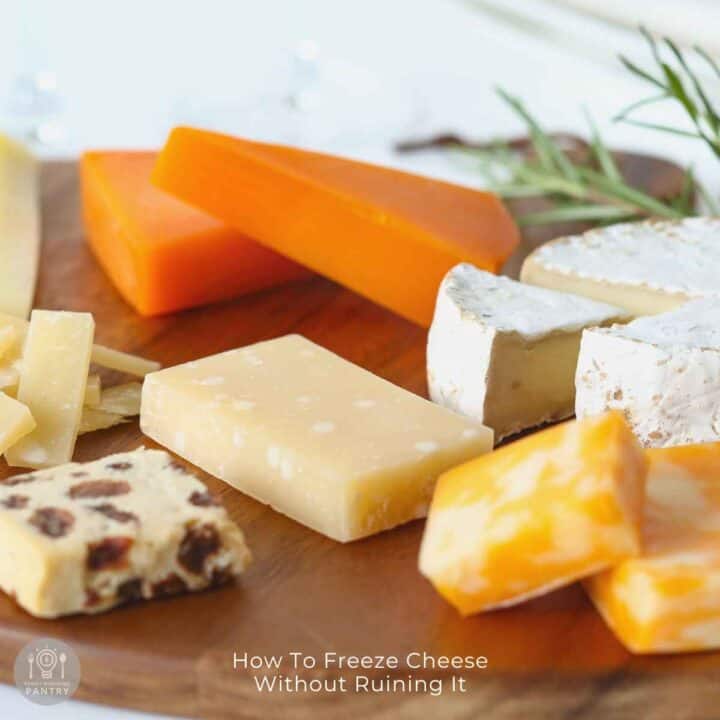
The good news is that many foods freeze well so you don't have to eat them immediately. For meat, be sure to remove it from the original packaging and store it in a freezer safe container, to prevent freezer burn and make it easy to use when you thaw it later.
For more detailed advice on freezing different foods, check out this article on the dos and don'ts of storing frozen food!
Kristin's Kitchen Tip
If you buy produce from the manager's special section, make a plan to use it immediately, or chop and freeze it as soon as you get home. This prevents it from going bad and turns a great deal into a great, long-lasting ingredient for future smoothies, soups, or stir-fries.
Always check the use-by date
Food waste is a significant issue, and expired food is a waste of money. Get in the habit of checking "Use By" dates before buying and using groceries at home.
You may be surprised to learn that it is legal for stores to sell food past its best buy date, with the exception of baby food and formula. Most choose not to, as this leads to customer complaints, but stores do often miss pulling items.
This happens especially for items that tend to move more slowly like yeast or specialty ingredients. You often find orange juice that didn't get rotated properly or yogurt, so always check. This simple step can significantly reduce food waste and keep your grocery budget healthy.
Check out this budget grocery list to help you shop for the most cost-effective items. You can even download a handy printable list for free!
Beware the cost of convenience foods
Pre-cut or pre-washed fruits and vegetables offer undeniable convenience. However, this convenience comes at a premium price compared to whole fruits and vegetables.
Chopping your own produce takes just a few minutes and saves you money in the long run. Think of it as a light workout while you prep your healthy meals.
In addition, once you cut into fresh produce, it starts to dry out and go bad faster. This means you have less time to use the already prepped food, and it often doesn't taste as good so you eat less of it.
Never shop on an empty stomach
This one might seem obvious, but it's a surprisingly common mistake. Never go grocery shopping when you're hungry.
Hunger pangs cloud your judgment, making you more susceptible to impulse purchases and unhealthy snacks. Eat a healthy snack before you head to the store. A full stomach translates to a more focused shopping trip and a healthier grocery haul.
Along the same lines, make a list before you go to the store, and stick to it. Plan your meals for the week, then create a list of the ingredients you need. Sticking to your list helps you avoid impulse buys and ensures you get everything you need to create delicious and healthy meals.
Use all the cash back apps available to you
Technology can be your grocery shopping ally. We're familiar with grocery store loyalty cards, but many have taken it a step further and have coupons available only in the app that you have to clip to use.
Several cash back apps, such as Ratuken, Ibotta, Ally, and the Fetch app, offer rewards for groceries and other purchases. Many of them allow you to double dip so you can use multiple apps for rewards. These apps can help you earn a little extra money back on your essential shopping trips, adding up to significant savings over time.
For more ways to maximize your savings, check out this article on how to boost your grocery savings with coupons and apps.
Most importantly, be aware and make conscious choices as you shop
By being mindful of these common mistakes and implementing these simple strategies, you can transform yourself into a grocery shopping pro. Remember to plan your meals, make a list, and stick to it.
Embrace the ethnic aisles, utilize price per unit labels, and don't be afraid to ask for rain checks. With a little planning and these tips in your arsenal, you can navigate the grocery store aisles with confidence, saving money and filling your cart with healthy and delicious food for you and your family.
This article originally appeared on Food Drink Life.
Thanks so much for reading! I also invite you to follow me on FACEBOOK, PINTEREST, or INSTAGRAM to keep up with what's going on in my kitchen.
And you might want to check out my Dizzy Busy and Hungry store on Amazon for a whole bunch of great kitchen products I love!
Happy saving!


Comments
No Comments